US Proposes New Tariffs for 14 Trading Partners, Including China and the EU
The US has proposed new tariffs for 14 partners, including China, the EU, Japan, and India. For China, the new rate could rise to 40% if the truce conditions are not met.
Article source · Globo
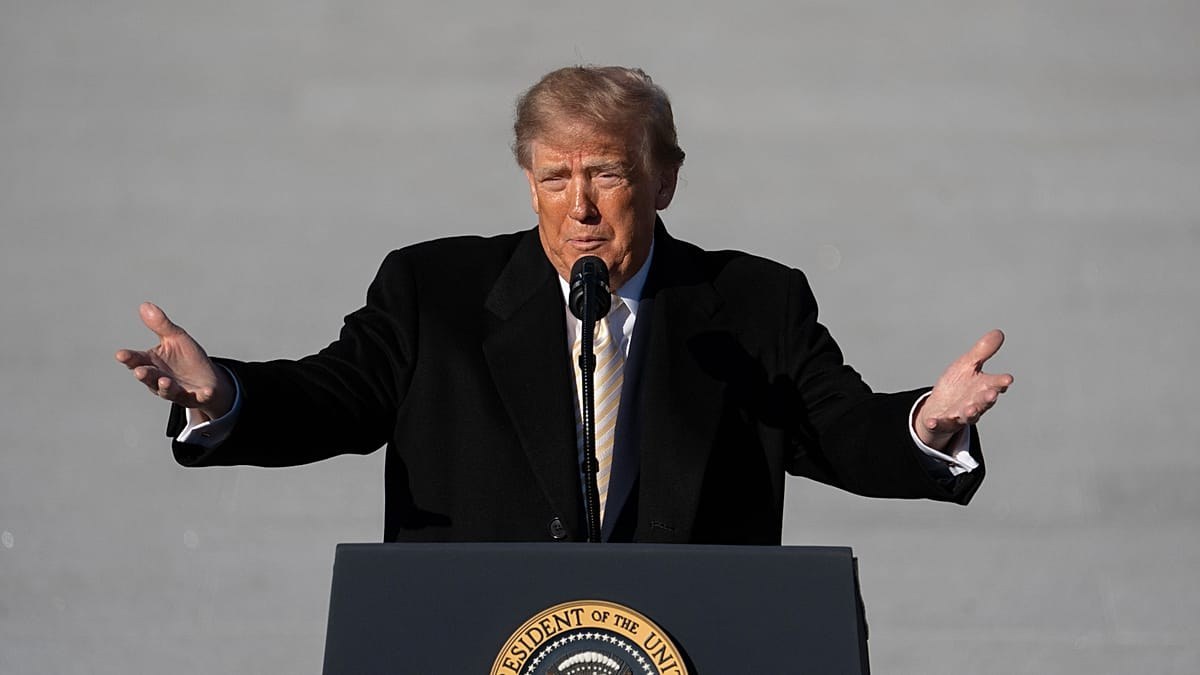
Notifications were sent to all 14 economies. A US official stated that their production creates or sustains structural overcapacity, limiting US trade. The rates should not exceed levels announced under mutual trade agreements.
The measures are proposed under Section 301 of the Trade Act of 1974. This allows Washington to respond to practices it deems unfair, discriminatory, or burdensome to US trade. The new tariffs will not be added to existing ones, except for Chinese tariffs: a 20% rate will be added to the 25% imposed in 2018 due to forced technology transfer.
The new rate for China could reach 40% if Beijing fails to meet the conditions of the trade truce signed in October 2025 in Busan. Following the agreement, tariffs on Chinese exports to the US were reduced to 47%.
The US administration links the measures to "excess capacity"—overproduction often supported by subsidies and lowering prices on the global market. China's Ministry of Foreign Affairs stated that such overcapacity "does not actually exist." In February, the Supreme Court overturned Trump's tariffs under the International Emergency Economic Powers Act. After this, the president imposed a global 10% tariff under Section 122, followed by tariffs of up to 12.5% for 60 economies under Section 301.