
What Actually Constitutes Plagiarism in Car Design
Expert Damir Mustafin explained, amid the dispute between Jaguar Land Rover and BYD, why visual similarity between cars does not in itself prove plagiarism.
Article source · Autoblog
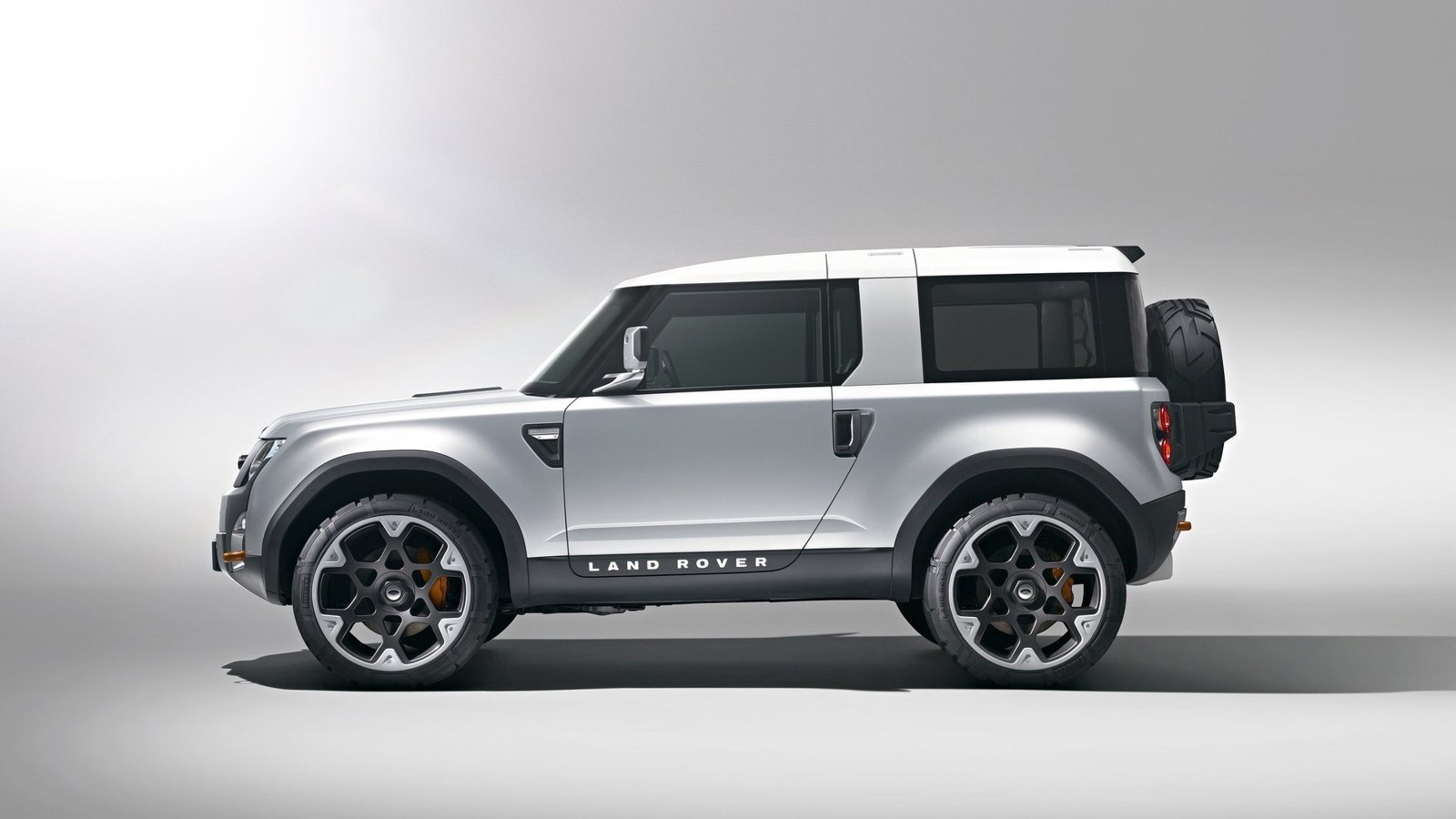
Jaguar Land Rover stated that the BYD Ti7 SUV infringes its rights, allegedly copying the Defender. According to Mustafin’s assessment, the two models share similar body proportions, an almost horizontal roofline, massive wheel arches, and the design of the rear pillars.
Differences in lighting, the grille, and individual body elements do not necessarily make the design original. When evaluating an industrial design, the overall visual impression is more important: the combination of elements, proportions, surface plasticity, and the car’s general architecture. Meanwhile, common solutions, such as angular SUV shapes or widened wheel arches, do not in themselves indicate illegal copying.
The final legal assessment depends on which specific elements are protected and the circumstances of the case. Therefore, visual similarity alone is insufficient to conclude that rights have been violated.
A similar issue arises in wheel design: popular solutions from premium brands are replicated with minor changes to the geometry of the spokes and decorative details. Creating an original wheel requires not only work on appearance but also engineering calculations, weight optimization, load distribution, and consideration of manufacturing constraints.
Copying appearance may reduce development costs but does not guarantee the same performance characteristics. In Mustafin’s opinion, systematic borrowing can also reduce manufacturers’ incentives to invest in their own research and design. In the context of similar technical solutions, especially for electric vehicles, an independent visual language becomes one way for brands to differentiate themselves. Conclusions from the dispute over the BYD Ti7 cannot be automatically applied to the entire Chinese automotive industry.